
Rewilding London
Transforming the Urban Landscape Toward a Greener Future by 2050

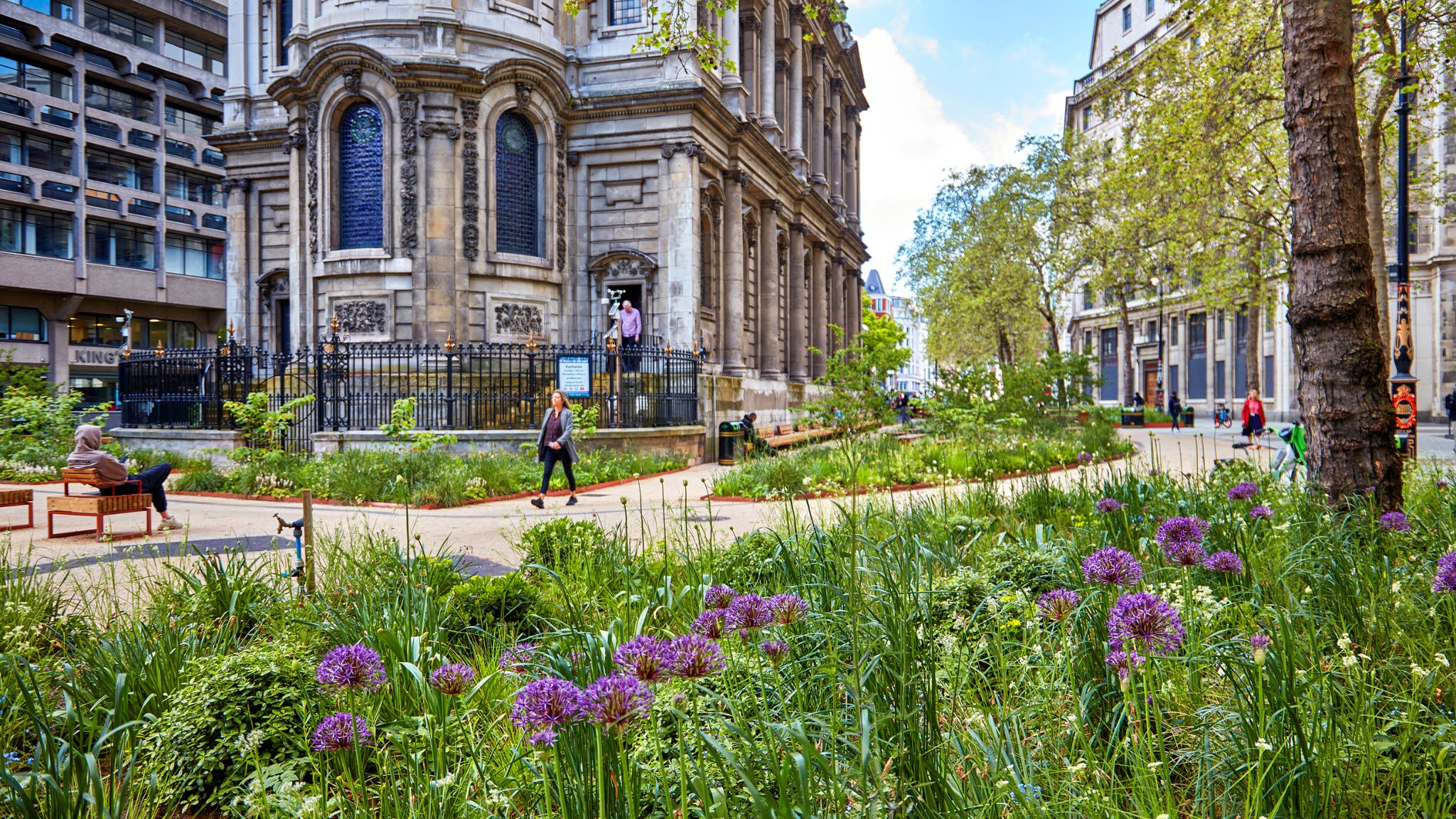
One of the positive changes I’ve seen in my lifetime has been efforts to give the natural world a chance to recover. The decline in species almost seemed inevitable. Luckily that has turned out not to be true. From a low base we are starting to see nature recover, but it needs help.
London is known for its wonderful parks, urban lungs where people can find peace and togetherness in beautiful green spaces. Less well known is that it is pioneering urban rewilding initiatives aimed at making more than half of the city green by 2050.
Central to this vision is the London Environment Strategy, which emphasizes protecting and enhancing green spaces, improving biodiversity, and building climate resilience amid urbanization pressures and environmental challenges.
Complementing this is the Rewild London Fund, which supports habitat restoration projects across the capital. These efforts mark a shift from traditional urban greening to more dynamic, nature-led approaches that actively reintroduce keystone species and restore ecosystems.
And they are working.
Reintroducing Beavers
One of the most eye-catching projects under the Rewild London Fund involves the reintroduction of Eurasian beavers (Castor fibre) to urban wetlands, the first such effort in London in centuries. In October 2023, a family of five beavers was released at Paradise Fields in Ealing, West London. Baby beavers (kits) have since been born on site, signalling successful establishment.
