
Ramsgate Plans for the Future
Maritime Heritage Meets Modern Challenges and Opportunities

“This jeweled coast does not shine for its gems are coated with grit.”
― Bryant A. Loney, To Hear the Ocean Sigh
Nobody said that coastal living is easy. Or maybe they did and I just didn’t search hard enough to find it. No one will have said it about Ramsgate, at least not in recent times. The town’s story is one or graft and resilience.
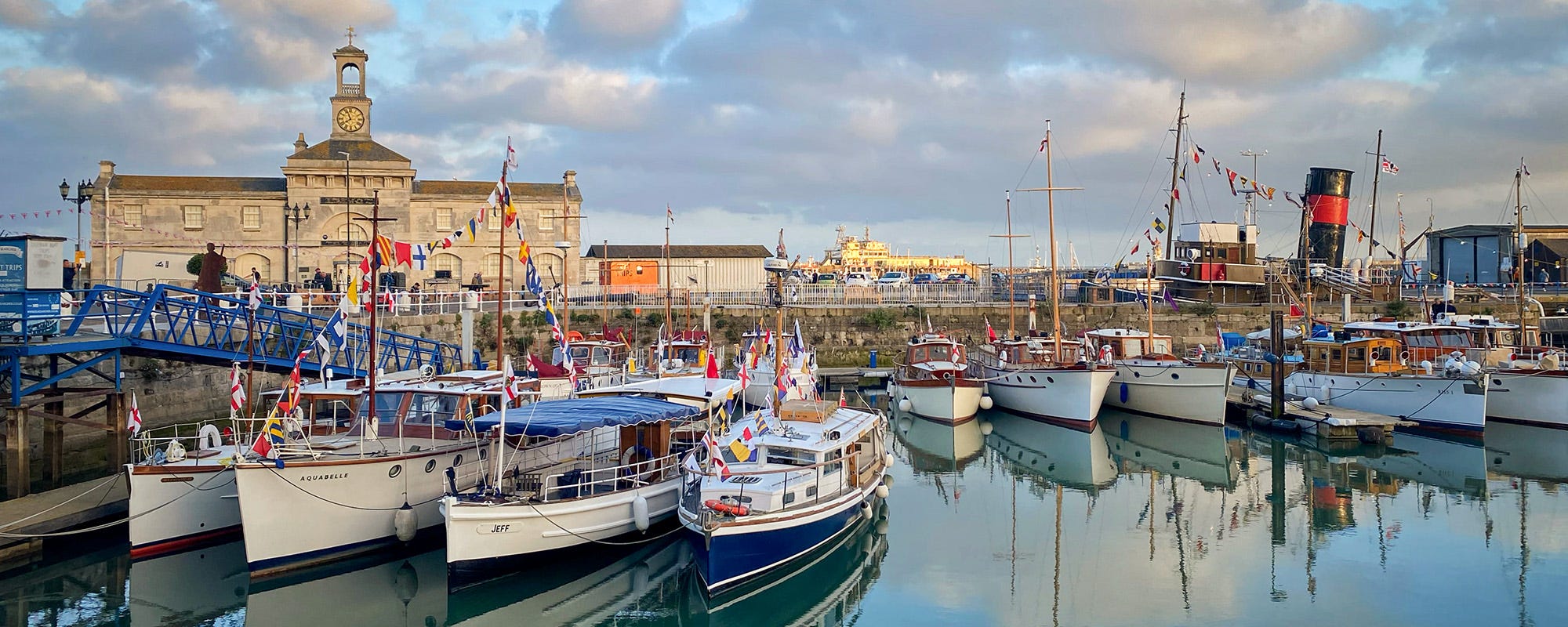
Ramsgate is an historic coastal town on the Isle of Thanet in Kent, England. It has a remarkably rich maritime heritage dating back centuries. Designated a royal harbour in 1821, it flourished in the 19th century through fishing, trade, shipbuilding, and its role as a bustling port.
Its strategic location and marina facilities positioned it as a significant player in maritime commerce, particularly with proximity to European routes.
I have a deep romantic affiliation with the coastal towns of Kent and Sussex. For me they are part of the essence of England. St Augustine preaching to King Æthelberht of Kent is pivotal in England’s Christian story. Sussex was and is the home of the South Saxons.
And in more recent times the imagery of the small boats setting out from these ports to rescue our defeated army at Dunkirk is part of how we have come to define ourselves. Never give up.
However, like many British seaside towns, Ramsgate experienced economic decline in the late 20th century.
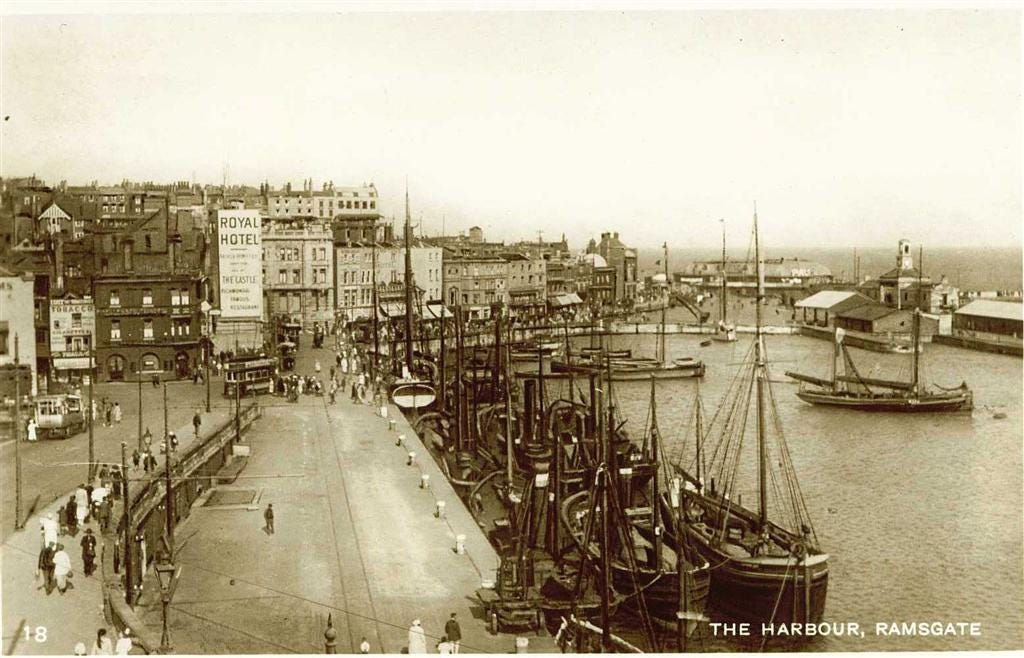
The downturn in traditional fishing industries, competition from larger ports such as Dover, the rise of low-cost foreign holidays, and broader shifts in maritime trade led to stagnation, physical decay, and social challenges. Falling visitor numbers and reduced investment in resort infrastructure compounded these issues.
So far so sad, so what happened next?
