
Clunes Strikes Gold (Again)
Clunes, Australia: From Gold Rush Town to Book Town Success Story

"In 2007 the first Booktown (Booktown for a Day) was held attracting over 6,000 visitors.
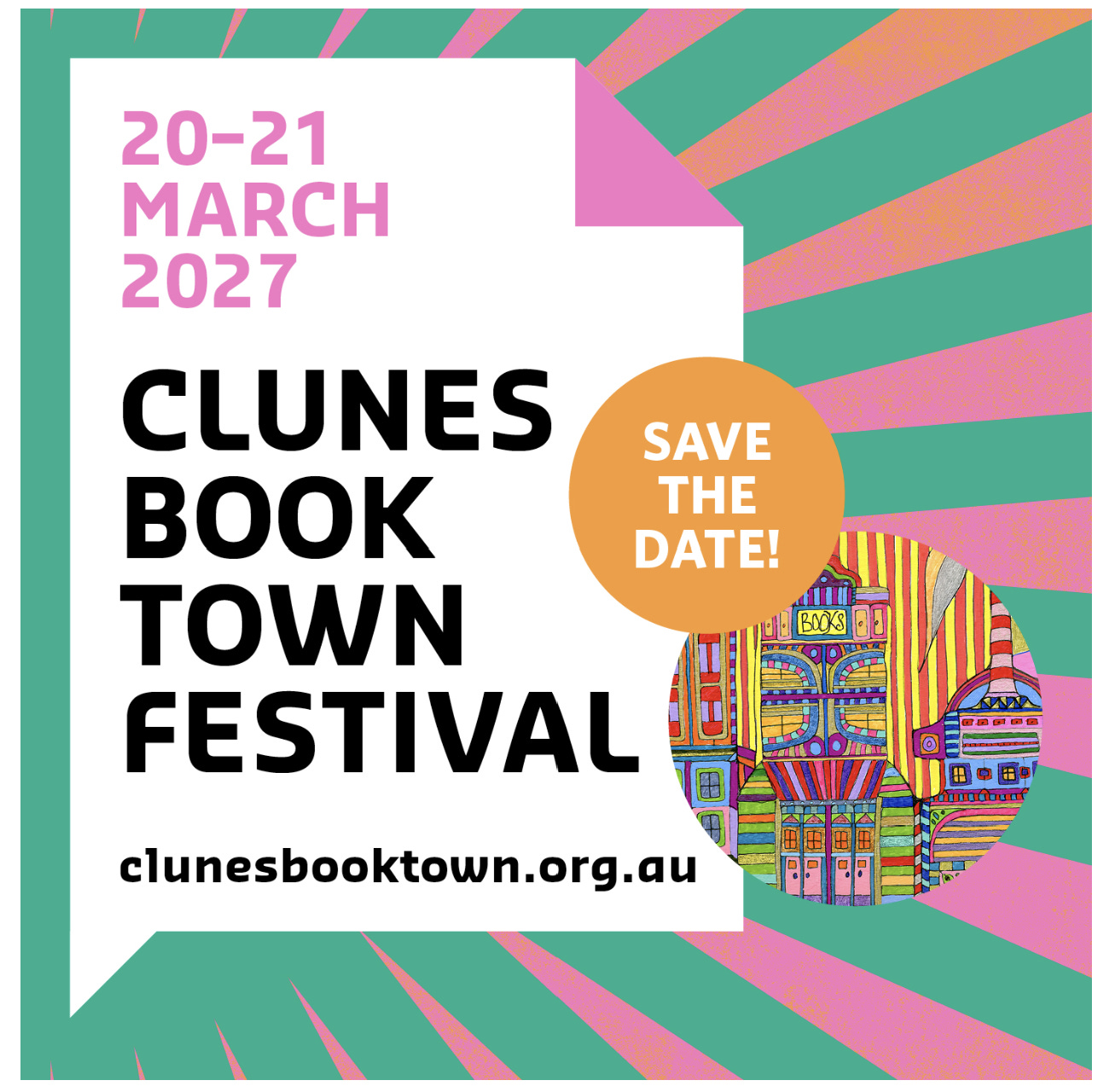
Since then a two day festival, Clunes Booktown Festival has been held annually in May."
Clunes Booktown Festival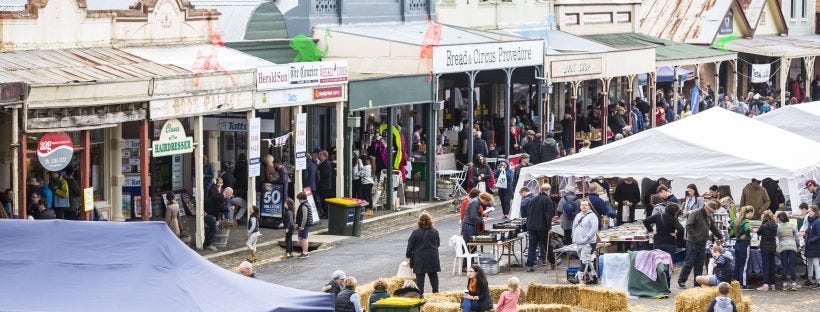
Left behind towns around the world are searching for new relevance. And in not unrelated news, the global footprint of the book towns is growing.
Clunes, a small historic town in central Victoria approximately 36 km north of Ballarat, is Australia’s only internationally recognized book town and one of only a few in the southern hemisphere. Although expect that to grow.
With a population of around 1,700–2,000, Clunes transforms each year into a vibrant meeting place for bibliophiles during the Clunes Book Town Festival, drawing thousands of visitors, over 90 booksellers, and more than 100 stalls of rare, second-hand, and antiquarian books.
It is a success story worth exploring.
Historical Challenges and Decline
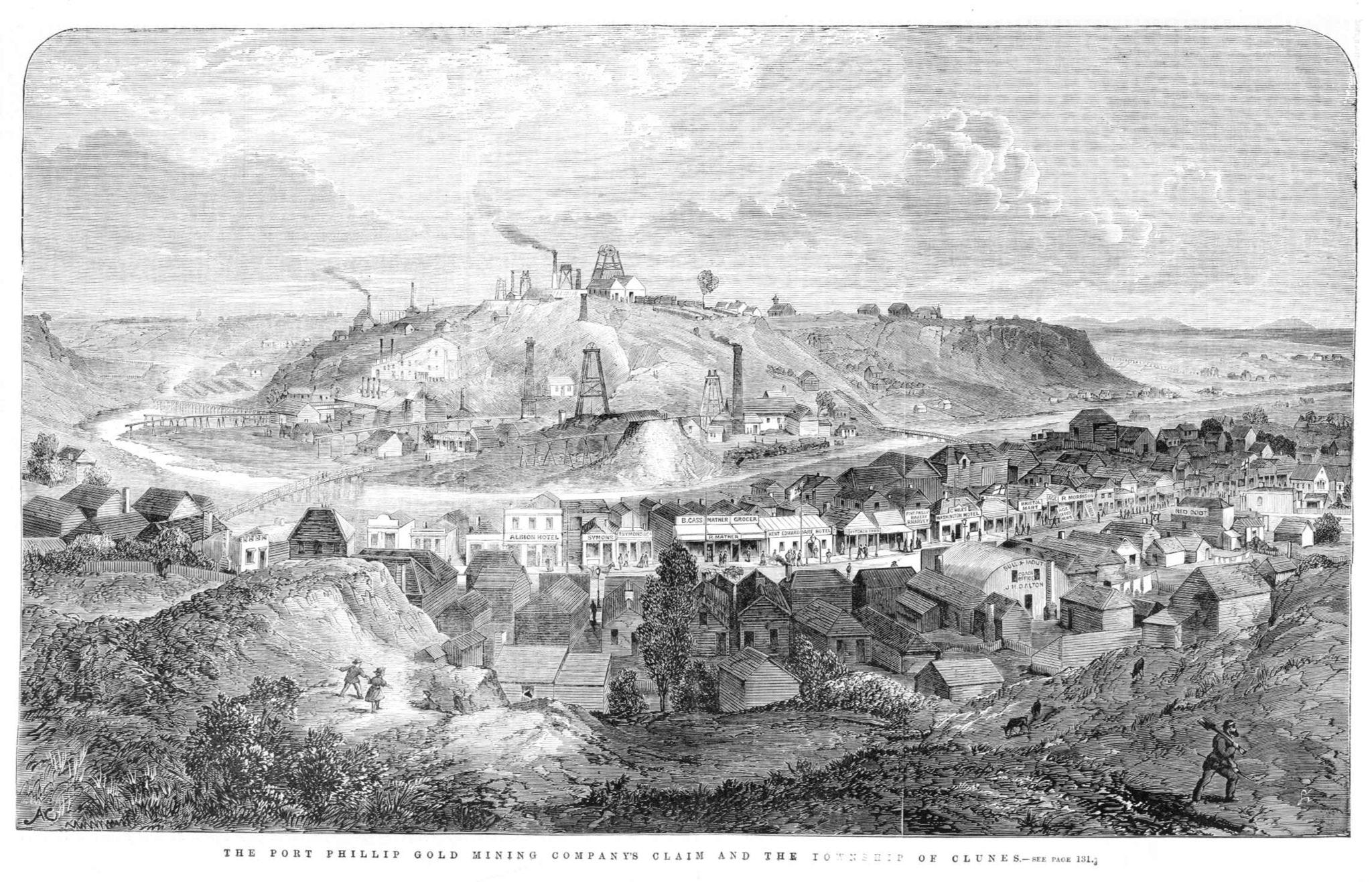
Clunes has a rich history as the site of Victoria’s first gold strike in 1851, which sparked the Victorian gold rush. It grew rapidly into a prosperous mining town with a peak population exceeding 3,500 in the 1860s, featuring elegant 19th-century architecture, multiple churches, schools, hotels, and businesses.
However, like many gold rush towns, Clunes faced significant challenges as mining declined. By the late 20th century, the town grappled with economic stagnation, population loss, and limited opportunities.
In the early 2000s, residents confronted a pivotal choice: accept becoming a dormitory suburb for nearby Ballarat or host local saleyards (livestock markets). Neither option appealed to a community keen to preserve its character and autonomy.
Tess Brady, a local writer and key figure in Creative Clunes Inc., noted the town’s need to “take the bull by the horns” to avoid unwanted development.
Becoming a Book Town
Inspired by the model pioneered by Richard Booth in Hay-on-Wye, Wales, in the 1960s, where concentrated second-hand bookshops revitalized a declining rural town, Clunes leveraged its existing “undercurrent of books and learning.”
This included Wesley College’s campus, the local museum’s historical focus, and a community steeped in knowledge-sharing traditions.
The first “Book Town for a Day” event launched in 2007, attracting over 6,000 visitors. It evolved into a full two-day annual festival (typically held in March or May), featuring author talks, workshops, street performers, and book stalls filling the town’s historic streets and buildings.
In 2010–2012, Clunes gained formal recognition as an International Book Town from the International Organisation of Book Towns, becoming the 15th globally and the first in Australia and the southern hemisphere.
The festival builds on Clunes’ heritage assets, well-preserved gold-era buildings that have also served as film sets for productions like Mad Max and Ned Kelly, creating an atmospheric setting for literary tourism.
Economic Benefits
“Along with author talks and panel discussions, festival-goers can discover the largest collection of rare, out-of-print and collectible books in Australia, go inside heritage buildings, listen to live music, watch street performers, maybe even take a horse and cart ride and try their hand in a scrabble tournament.

The Clunes Booktown Festival is all about celebrating books and the great conversations and big ideas that come from them.”

— Clunes Booktown Festival
The Book Town Festival has become an economic lifeline for Clunes and the surrounding region. Organizers estimated that in 2013, over 18,000 visitors generated AUD$2–4 million in additional regional spending.
It supports local businesses, including cafes, accommodation providers, and shops, while boosting tourism year-round through increased visibility. The event has helped sustain independent booksellers and encouraged related cultural activities, such as monthly author talks at the local station.
By positioning Clunes as a cultural destination rather than just a historic relic, the initiative has fostered sustainable rural development, aligning with the broader book town model of using cultural tourism to counter economic decline in peripheral areas.
Social and Cultural Benefits
Beyond economics, the festival strengthens social capital and community pride. Research on the Clunes Book Town Festival highlights its role in promoting social inclusion, renewal, and sustainability in rural communities.
It brings together residents, volunteers, and visitors in shared cultural experiences, enhancing connections and a sense of place.
Surveys indicate strong local support, with many residents viewing the event as vital for the town’s long-term future through promotion and tourist attraction.
It has also been the basis for international links, such as cultural exchanges with Paju Book City in South Korea, enriching the community’s global outlook.
Although Clunes has built its success on more than books. It is surrounded by extinct volcanoes and also has historic charm which attract visitors too. Literary festivals can seem elitist but by blending book-focused activities with food, local produce, and town exploration, Clunes has built a broader appeal. There’s something for everyone, or almost everyone.
Conclusion
Clunes’ transformation into a book town shows how creative cultural initiatives can revitalize rural towns facing economic pressures.
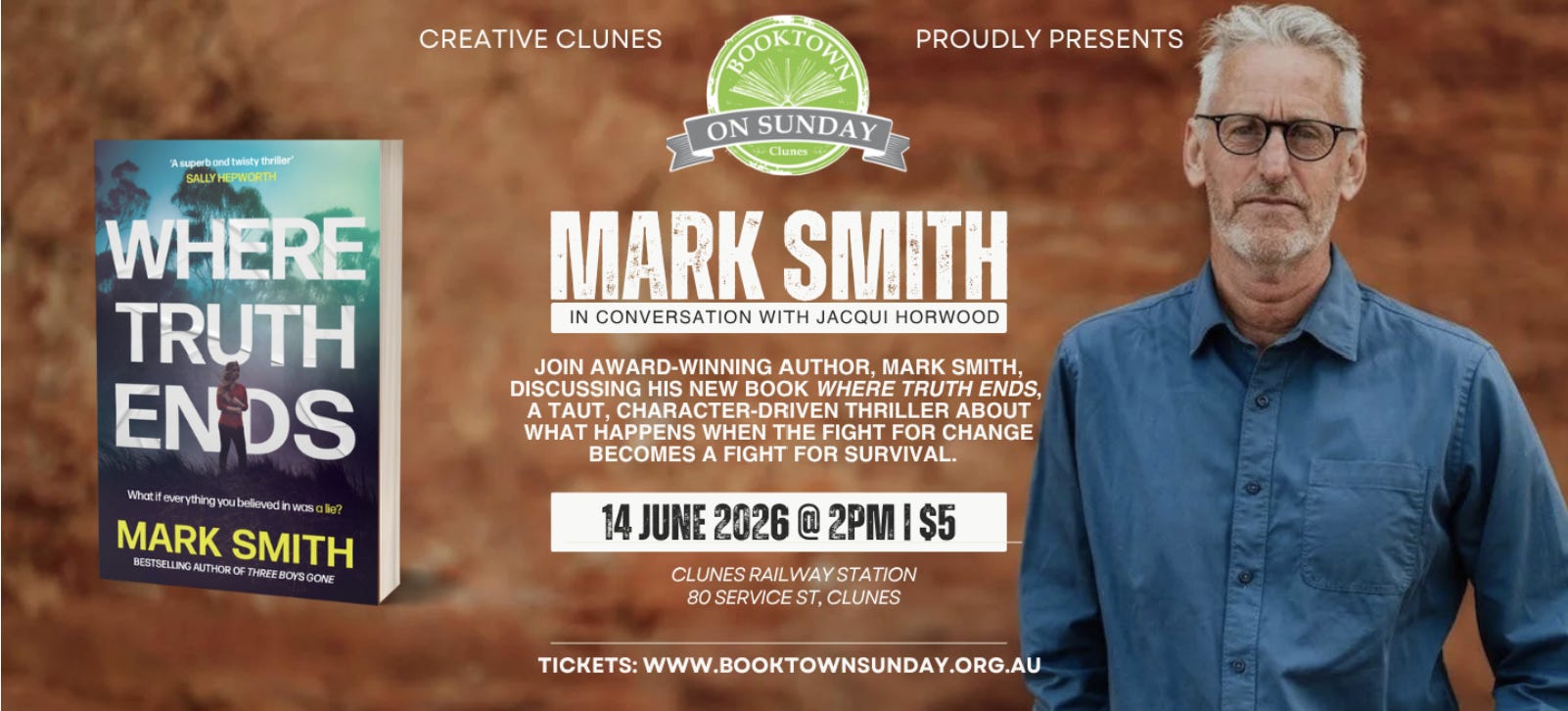
The town made a positive choice to embrace its heritage and love of books to build a resilient model of tourism and identity.
The annual festival injects vital revenue into the town. But being a book town does more than this. It has help build social bonds and connections, provide cultural distinction, and create a vibrant future for this pleasant place.
As one of the world’s select book towns, Clunes has built upon its sense of place. One criticism of the book town movement is that it can push to the side the history and culture that existed before. Not in Clunes.
References
Driscoll, B. (2016). Local places and cultural distinction: The booktown model. European Journal of Cultural Studies. Advance online publication. https://doi.org/10.1177/1367549416656856
Mair, J. (2023). Social impacts of community events, the Clunes Book Festival [Unpublished manuscript or thesis]. The University of Queensland. https://espace.library.uq.edu.au/view/UQ:40fb983
Ryan, S. (2013, July 21). Clunes – the golden town. Such Was Life. https://suchwaslife.com.au/clunes-the-golden-town/
Various sources including Clunes Book Town Festival official site (clunesbooktown.org.au), Guardian Australia (2024 article), and Clunes Tourism (clunesvic.org.au). Additional details drawn from Creative Clunes reports and International Organisation of Book Towns.
Left behind towns around the world are searching for new relevance. And in not unrelated news, the global footprint of the book towns is growing.
In truth, book towns have become a recent obsession of mine!
Clunes, a small historic town in central Victoria approximately 36 km north of Ballarat, is Australia’s only internationally recognized book town and one of only a few in the southern hemisphere. Although expect that to grow.
I can well understand your close connection to Barnsley, Eric, having lived here with your parents and experienced Barnsley as it was. Three years ago when I came to Barnsley, I was immediately struck by its history and what I had never known!
Learning Barnsley's past, as you rightly say, is vital for its future development. It is a town doing really well.
Thank you for the web site about book towns.
There is a lovely old fashioned book shop in Barnsley.
I'm sure there will be others, as yet undiscovered!